| University of Colorado at Boulder |
 |
Stormwater Permitting: A Colorado Example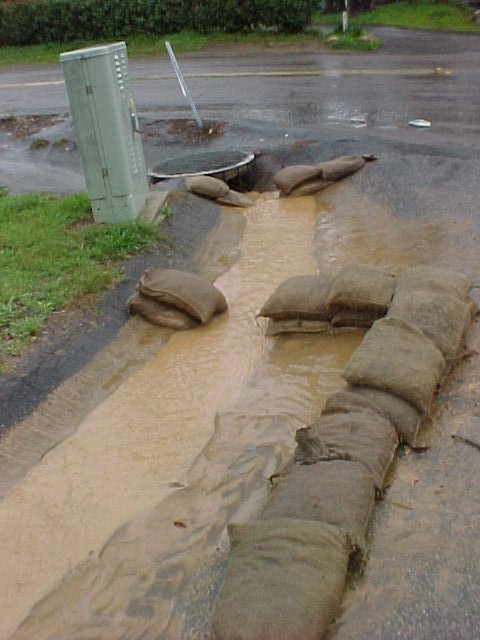 Poorly maintained stormwater drain. Photo courtesy of EPA. Poorly maintained stormwater drain. Photo courtesy of EPA.The EPA’s National Pollutant Discharge Elimination System (NPDES) regulates stormwater discharges from sources including municipal separate storm sewer systems (MS4) and construction projects disturbing one acre or more. Several states, including Colorado, are authorized to implement the NPDES in place of having the EPA do so. In some cases, implementation of the NDPES creates a complex permitting scheme for oil and gas operators. For example, in Colorado the Colorado Department of Public Health and Environment (CDPHE) manages the NDPES through the Colorado Discharge Permit System (CDPS). Under CDPS, the Water Quality Control Division of CDPHE issues permits for, among other discharges, MS4s and construction projects disturbing one acre or more. Douglas County, Colorado operates a regulated MS4 and must therefore comply with an MS4 permit. The MS4 Phase II permit requires the county to implement a program to manage stormwater runoff from construction sites. The EPA NPDES website discusses the requirements of a construction site stormwater runoff control program. Douglas County has chosen to comply with this through a “Grading, Erosion, and Sediment Control” permit program. Therefore, an operator planning construction activities that will disturb one acre or more in Douglas County will have to obtain both a GESC permit and a stormwater construction permit from the CDPHE in addition to complying with stormwater regulations promulgated by the Colorado Oil and Gas Conservation Commission. For more information on county regulation of stormwater and the interaction of state and local regulations, see Water Quality and the Interaction of Federal, State and Local Regulation of Oil and Gas Development in Colorado. |