BMP of Oil and Gas Development

Water Quality

Impacts of oil and gas development on water quality are a concern across the Intermountain West. Of particular concern are: storm water runoff from construction activities, pollution from pits, hydraulic fracturing, and use and disposal of CBM produced water. The following resources provide an introduction to the problems and best practices for each of these issues.

For a complete overview of the Clean Water Act, as it addresses these issues visit the Red Lodge Clearinghouse.

Stormwater Runoff

See Stormwater Permitting: A Colorado Example for an example from Douglas County, Colorado.

Pollution from stormwater is an issue with all types of development from urban to rural areas. Regulation of stormwater discharges from oil and gas exploration, production, processing and treatment activities has been particularly controversial in the last few years. Resources on EPA's web pages address both the problem and some of the solutions.

Stormwater Pollution Prevention Plans for Construction Activities - Information on Pollution Prevention Plans, permitting and BMPs

Construction Site Stormwater Runoff Control – Requirements, BMPs and resources for controlling stormwater runoff. 

Regulation of Oil and Gas Construction Activities - A summary of the issues, legislation, regulations and litigation

Pit Pollution

Torn pit linerTorn pit liner. Photo courtesy of Earthworks.

Pits – circulation, water storage, completion, flowback, and reserve – are dug to hold fluids and solids during well development and to dispose of waste from production. Pits may be lined or unlined, and their contents may be disposed of in many ways. Best management practices are essential for limiting pit pollution of both surface and groundwater

New Mexico Oil and Gas Conservation Division

Pollution Prevention Best Management Practices (scroll down)

Pollution Prevention Pocket Guide

Earthworks

Pit Pollution

Alternatives to Pits? Closed-Loop Containment System

New Mexico Pit Rule Mapping Portal

Funded by the RPSEA -Small Producer Program, the New Mexico Pit Rule Mapping Portal generates maps of potential site regulatory issues using government recommended data.  These maps will help reduce time needed for evaluation, preparation and review of C-144 forms and attachments and allow better determination of optimal and allowed locations of pits and tanks with respect to current siting criteria. 

Hydraulic Fracturing

See our Hydraulic Fracturing page for more information

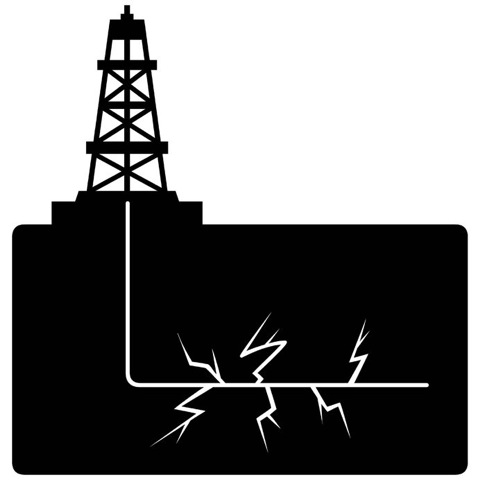
Oil and gas operators have conducted hydraulic fracturing, commonly known as “fracing,” for over sixty years in either vertical or slant wells (this is often referred to as “conventional drilling”). Within the past decade, the combination of horizontal drilling and hydraulic fracturing has been used with increasing frequency in each of the intermountain states to increase the volume of natural gas that can be extracted from tight sand, coalbed, and shale formations, and thereby make the extraction process economically feasible (this is often referred to as “unconventional drilling”). Concerns abound that both the below-ground and above-ground activities associated with fracing may impact water quality. Our Hydraulic Fracturing page contains (1) a general overview of fracing technology, (2) a discussion about the controversy surrounding fracing, (3) a summary of current and pending regulations, and (4) resource documents and websites for further reference.

Coalbed Methane

See our Coalbed Methane page for more information.

Coalbed methane (CBM) is a form of natural gas that is trapped within coal seams. CBM is produced and transported with much the same process and equipment as methane from a regular gas field. The major difference is that wells are drilled into the coal seam to first remove water. As the water is removed and water pressure in the seam decreases, the gas is released from the coal and flows through fractures in the coal to the well. The quality of CBM produced water varies widely. Potential uses and disposal methods are controversial. 

For an introduction to CBM development, see our Coalbed Methane page.

State by State

Colorado

The Water Information Program - Water Rights

BLM - Water Quality

Colorado Oil and Gas Conservation Commission - New Rules

COGCC - Text of the rules

Rocky Mountain Mineral Law Foundation Workshop - The 317B Rules

Earthworks - A Conservation Perspective on the Rules

The Water Information Program: To provide information to the public and community on water topics and water related issues.

Montana

BLM - Water Rights

BLM - Water Quality

Montana Board of Oil and Gas - Coal Bed Methane Information

Montana Department of Environmental Quality - Coal Bed Methane

New Mexico

BLM - Water Rights

BLM - Water Quality

New Mexico Oil Conservation Division Rules

NM Oil Conservation Division - Current and Proposed Rules

NM Oil Conservation Division - Highlights of the Pit Rule

Earthworks - A Conservation Perspective on the Pit Rule

Utah

Utah Division of Water Rights - Water Rights

BLM - Water Quality

Utah Division of Oil, Gas and Mining Oil and Gas Program- Web site updated with news and changes in regulations

Wyoming

BLM - Water Rights

BLM - Water Quality

Wyoming Oil and Gas Conservation Commission

Rules, hearings and more...

Environmental protection guides


Intermountain Oil & Gas
BMP